
.jpg)
Planning an Everest-region visit begins with a geographic question: which side of the mountain and which journey do you mean? This guide covers the Nepal-side Khumbu and Sagarmatha region. It does not provide a Tibet-side itinerary, and it does not treat a base-camp trek as the same activity as a summit climb.
Once that scope is clear, identify what you want from the visit. Settlement life, cultural context, a particular valley and extended trekking can each shape a different plan. Choose the focus before letting a familiar route name make the decision for you.
Put responsibilities in the right place
An editorial guide can help you understand the region and compare questions. A qualified local provider explains the actual route and arrangements. A healthcare professional advises on your personal medical circumstances. Authorities publish the current entry and access requirements. Keep those roles distinct when gathering information.
For high-altitude travel, obtain appropriate medical advice before departure and follow qualified guidance on the journey. Do not use a general website, a photograph or someone else’s trip report as a personalized ascent plan. The Himalayan Rescue Association provides a useful starting point for mountain-health information.
Read dates together with flexibility
Ask how weather or transport disruption could affect the beginning and end of the trip. Understand the provider’s process for changes, including communication and any additional costs. Leave room in your wider travel arrangements for the possibility that the original sequence may need adjustment.
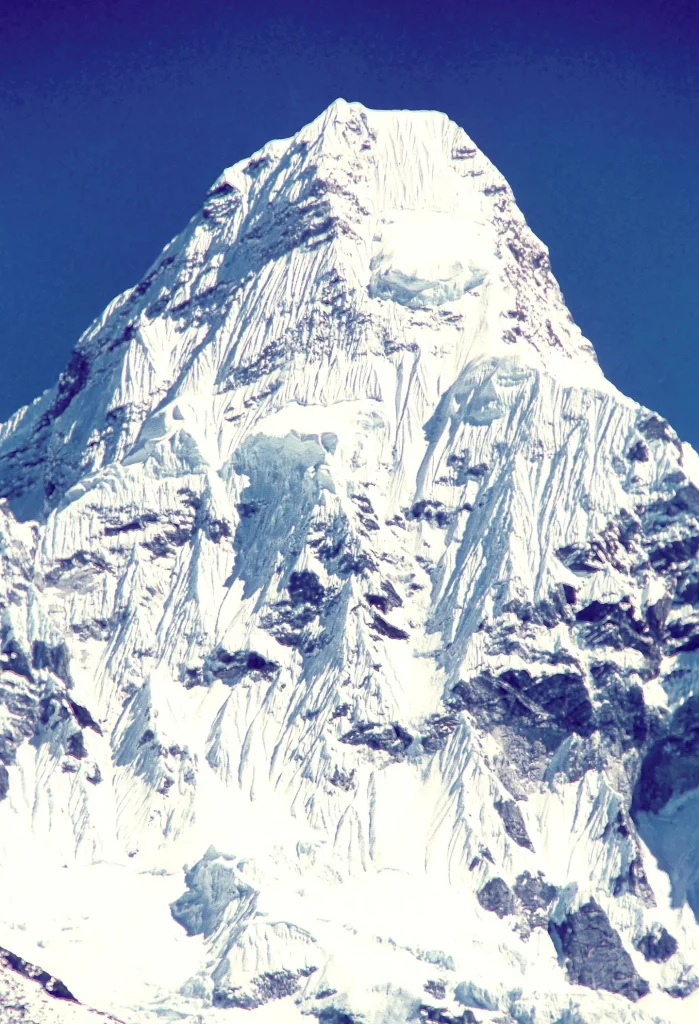
A season label is not a promise of a clear sky or an uninterrupted journey. If a particular photographic view or event matters to you, discuss it as a preference rather than a guaranteed outcome. Current conditions and local decisions should take precedence over the picture you had in mind.
Keep an essential information set
- The detailed route and intended overnight sequence.
- Exact meeting and transfer information.
- Contact details for the organization responsible for the journey.
- Current official entry and access information relevant to your route.
- Your own booking terms and any applicable insurance documents.
- A clear explanation of what is included and what you must arrange.
Store essential information in a form you can use without assuming continuous connectivity. Check that names and contact details are written correctly. Do not share sensitive documents in a general website contact form; use the appropriate secure process requested by the organization that needs them.
Make the region part of the plan
UNESCO recognizes Sagarmatha as a landscape in which mountain environments and Sherpa settlements are closely connected. Give those inhabited places attention. Ask about the meaning of a location when a knowledgeable person is willing to explain it, and respect instructions around religious sites and private spaces.
A visit should not require local people to perform a story for you. Credit knowledge appropriately, ask before photographing individuals and avoid using cultural identity as a generic job label. The region is someone’s home and workplace as well as a destination.
Use current sources for current decisions
Before committing, consult the responsible official sources for changing rules, fees and requirements. Then confirm how they apply to the actual journey with your provider. This guide deliberately does not freeze those operational details into an evergreen article.

Landing Everest Base Camp Kalapathar by Helicopter with Breakfast
Helicopter tour to Everest base camp:- Landing at Mt. Everest base camp, Kalapather with the best view of Mt Everest & other Himalayas, It is a landin...

Kathmandu Sightseeing | UNESCO World Heritage sites Private/Group
Embark on a captivating journey through Kathmandu with our Private Kathmandu Sightseeing Tour. Led by our expert Eng...

Kathmandu: Full Day 7 UNESCO Tour with Lunch - Private/Group
The Seven World Heritage Day Tour of Kathmandu presents a distinctive convergence of history, culture, and spiritual...

Kathmandu Food and Drink Walking Tour
Namaste! Come hungry to explore Kathmandu's culinary wonders on an immersive walking tour led by a professional lice...
Continue with comparing Khumbu treks, overnight arrangements and the landscape guides. A well-understood plan leaves room to appreciate the places along the way rather than measuring the trip only by its furthest point.
Starting points: Nepal Tourism Board, UNESCO’s Sagarmatha entry and Himalayan Rescue Association Nepal. These links do not imply endorsement of this independent guide.