
Two journeys described as an Everest trek may involve different places, overnight stops and practical arrangements. Start with the detailed itinerary rather than the name alone. A route is more than its most recognizable destination, and a longer or higher journey is not automatically a better fit.
This guide offers a comparison framework. It is not a route prescription, fitness assessment or personalized high-altitude plan. Discuss the actual journey with qualified local professionals and seek appropriate medical advice for your own circumstances before committing.

Landing Everest Base Camp Kalapathar by Helicopter with Breakfast
Helicopter tour to Everest base camp:- Landing at Mt. Everest base camp, Kalapather with the best view of Mt Everest & other Himalayas, It is a landin...

Kathmandu Sightseeing | UNESCO World Heritage sites Private/Group
Embark on a captivating journey through Kathmandu with our Private Kathmandu Sightseeing Tour. Led by our expert Eng...

Kathmandu: Full Day 7 UNESCO Tour with Lunch - Private/Group
The Seven World Heritage Day Tour of Kathmandu presents a distinctive convergence of history, culture, and spiritual...

Kathmandu Food and Drink Walking Tour
Namaste! Come hungry to explore Kathmandu's culinary wonders on an immersive walking tour led by a professional lice...
Read the full sequence
Ask for the places visited and the intended overnight sequence in writing. Identify the beginning and end of the walking portion, how transfers connect with it and which parts are optional. A description that highlights a famous viewpoint may say less about the days needed to reach and leave it.
Check whether the plan allows changes and who makes those decisions. Weather, transport and individual circumstances can affect a journey. A useful provider explains the process for adapting arrangements, rather than promising that every original detail will happen exactly as advertised.
Understand the focus
Some visitors are most interested in settlement life and cultural context; others want a particular landscape or a more extensive trekking route. Those interests can overlap, but they need time in the plan. If a village or cultural stop matters to you, ask how it is included rather than assuming it will fit around the main objective.
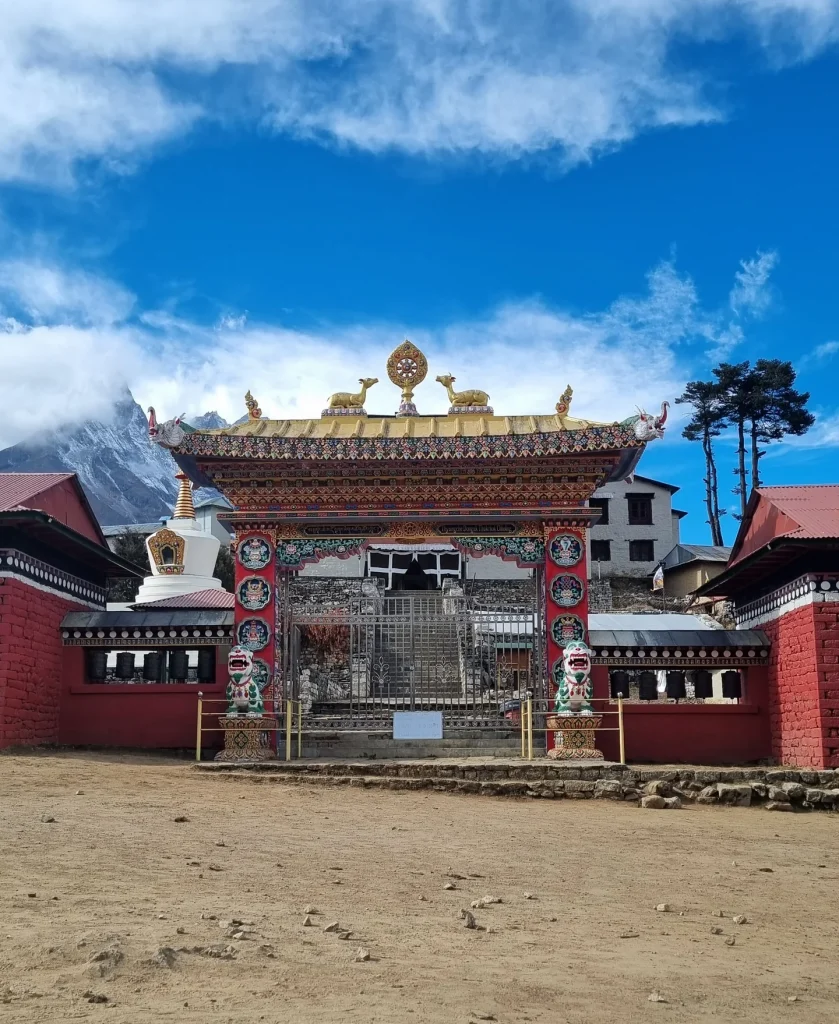
Tengboche is one example of a place with its own context. Nepal Tourism Board describes the monastery as a Buddhist center in Khumbu. Treat a visit as an encounter with a working religious place, following local instructions about access, conduct and photography. Do not infer current visiting arrangements from an older itinerary.
Compare the support clearly
- People: who accompanies the group and what each person’s responsibilities are.
- Logistics: which transfers, meals, overnight arrangements and permits are included.
- Equipment: what is provided, what you need to arrange and how suitability is assessed.
- Changes: how delays, route adjustments or an early end are handled.
- Communication: who to contact before travel and during the journey.
Ask about the working arrangements for the people supporting the trip. Clear roles, appropriate equipment and responsible treatment matter. Avoid using Sherpa as a substitute for a job description: it is an ethnic and cultural identity, and people should be described by their actual role or name.
Check the terms behind the headline
Read the provider’s current cancellation, payment and change terms. Confirm what happens if a transport connection is disrupted and which costs remain your responsibility. If you arrange insurance, check that the policy applies to the actual activities, locations and circumstances of your plan; this website cannot verify a policy for you.
Current access requirements should be checked through the responsible authorities and the provider. Do not rely on an old blog post for a permit rule, fee or guide requirement. The details can change, and different journeys can raise different questions.
Choose a journey you can understand
A good comparison should leave you able to explain the proposed trip in ordinary language: where it goes, what you do, who supports it and what can change. If important parts remain unclear, resolve them before choosing. A polished photograph or enthusiastic title is not a substitute for those answers.


Private Bhaktapur and Nagarkot Day Tour From Kathmandu
The day trip to Bhaktapur and Nagarkot from Kathmandu takes you to the ancient city of Bhaktapur and the most popular Himalayan viewpoint closer to Ka...

UNESCO Seven World Heritage Tour in Kathmandu
There are seven awe-inspiring UNESCO World Heritage Sites in the Kathmandu Valley. Dating back over 2000 years, the...

Kathmandu: Full Day Top 4 UNESCO Tour with Lunch - Private/Group
A Kathmandu sightseeing tour is a captivating journey through Nepal's rich cultural and spiritual heritage. Start yo...

ZipFlyer Nepal - The World's Steepest Zip-line
Welcome to the most stunning Zipline on the planet. Zipflyer Nepal is a 1.8km Zipline located in Pokhara Nepal with...
Use the Tours page to compare available provider information, and read the Nepal-side planning guide for a broader preparation framework. Neither page guarantees availability, weather or completion of an itinerary.
Context: Nepal Tourism Board’s regional overview, its Tengboche guide and Himalayan Rescue Association Nepal.